Canadian Hand-Tool Craft Archive
Where Hand Tools Are Made, Not Just Used
MeadowForge documents the fabrication techniques, workshop arrangements, and joinery traditions of Canadian hand-tool craftspeople — from bench plane body casting to the geometry of a mortise chisel.

Current Articles
Recent Documentation
Three areas covered in depth: the fabrication of bench planes, the setup of a hand-tool workshop, and the tools required for traditional mortise-and-tenon joinery.
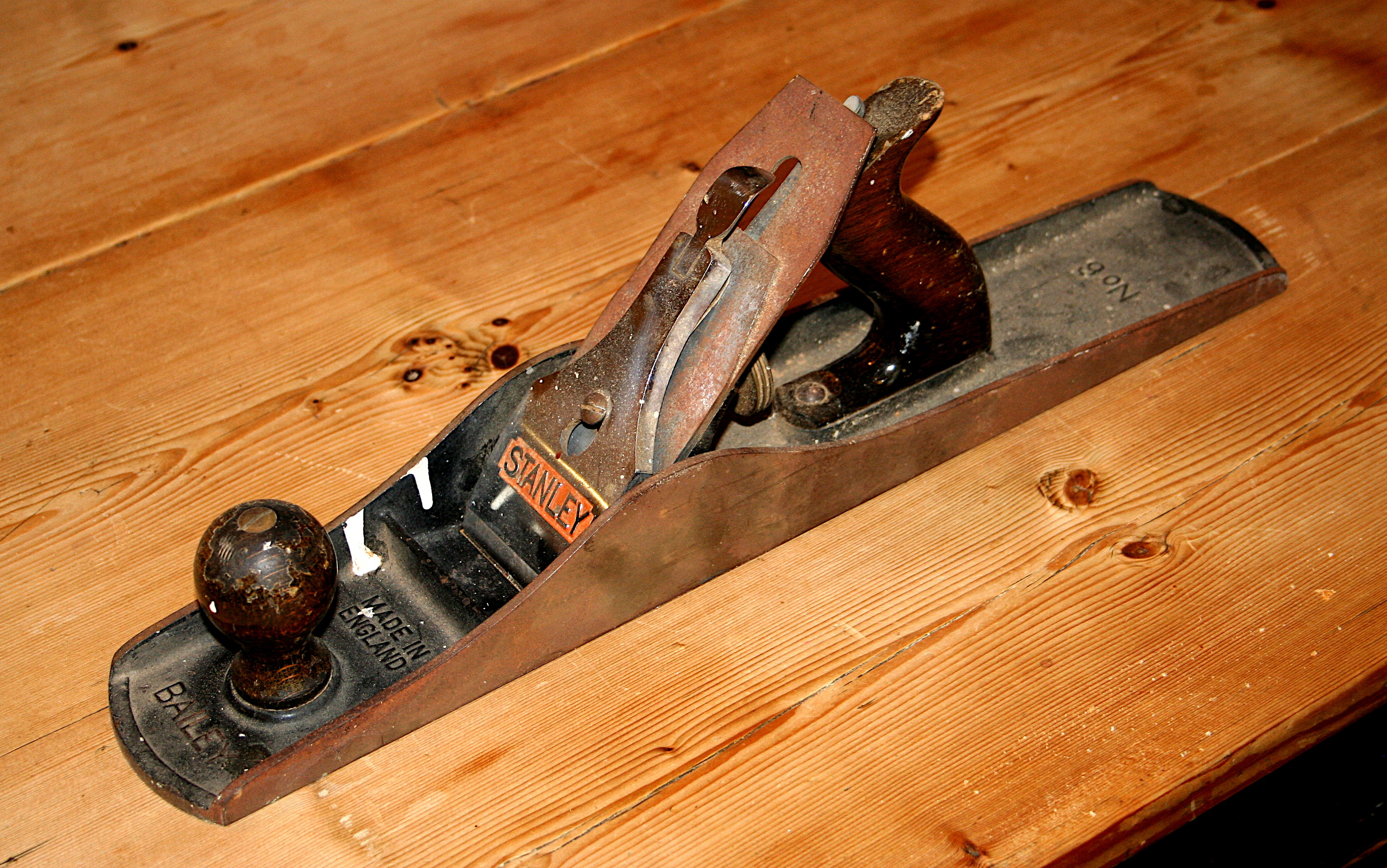
Hand Tool Fabrication
Forging Hand Planes: The Craft Behind Canada's Bench Tools
Grey iron casting, sole preparation, blade steel grades O1 vs A2 vs PM-V11, chip breaker geometry, and frog angle — the technical decisions that define a working bench plane.

Workshop Setup
Setting Up a Traditional Woodworking Shop in Canada
Bench height and mass, vise types, floor surfaces, raking light, tool storage arrangement, and cold-weather considerations for Canadian shops.
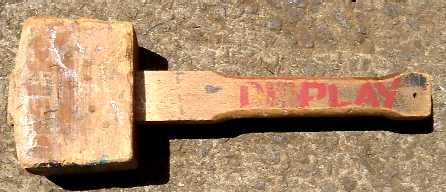
Joinery Tools
Mortise and Tenon: A Guide to Traditional Joinery Tools
Mortise chisel geometry, marking gauge types, tenon saw tooth configuration, mallet selection, and the paring work required to achieve a fitted joint.
Canadian Steel, Canadian Craft
The tradition of making rather than buying tools is alive in Canadian workshops. From the Ottawa Valley's hardwood forests to the workshop benches of British Columbia, craftspeople have adapted European tool-making methods to North American materials and conditions. The documentation here covers what that adaptation looks like in practice.
Read about hand plane fabricationKey Topics
Areas of Documentation
Blade Steel Selection
O1, A2, and PM-V11 compared across edge retention, sharpening behaviour, and corrosion resistance.
Bench Design Principles
Why mass matters more than joinery in a workbench, and how height affects planing mechanics.
Mortise Chisel Geometry
Bevel angle, cross-section thickness, handle materials, and sizing to mortise width.
Workshop Documentation
The Shop as a Designed Environment
A functional hand-tool shop is the result of deliberate decisions about every surface and fixture. The bench placement, the lighting angle, the floor material, the tool storage height — each affects how much friction exists between the craftsperson and the work. The article on workshop setup documents how Canadian craftspeople have resolved these decisions in practice.
Read the workshop setup guide
Joinery Without Power
Mortise-and-tenon joints cut with hand tools require a different set of skills than machine-routed versions — and different tools. The marking gauges, mortise chisels, tenon saws, and mallets involved each have specifications that matter. The documentation here describes those specifications and why they were developed the way they were.
Read the joinery tools guideGet in Touch
Contact MeadowForge
For corrections, submissions, or general enquiries about the content on this archive, use the form below or email info@meadowforge.org.
Contact Details
MeadowForge Editorial
147 Birchwood Crescent
Guelph, ON N1G 2W1, Canada